



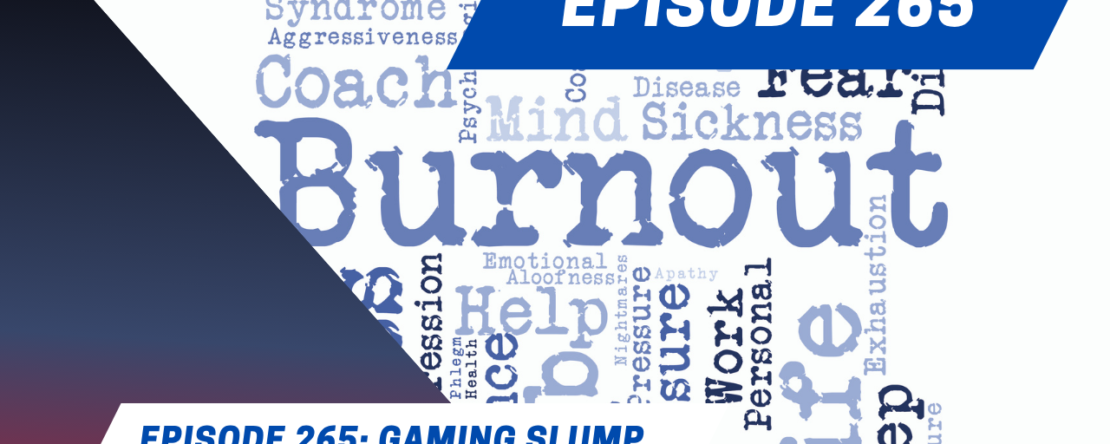
This week we are talking about how to deal with gaming slumps, especially if you've never experienced one before.

This week, as we are wrapping up the winter. gift giving season, we are talking about some of our favorite gift giving ideas!

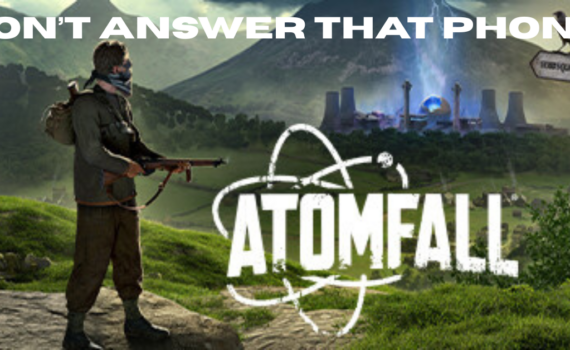

This week we're talking about games and videogame pairings. Not specifically the music from the specific videogames, but music that we pair with the specific games that we are playing or thinking about.

This week we talk about our most anticipated games of 2025. Will there be overlap? Will Victoria list Silksong...again?

Episode 254: The Truth is a Lie: Black Ops 6 Spoilercast Click to download, or find us on iTunes, Spreaker, Stitcher, TuneIn, iHeartRadio, Spotify, and just about anywhere podcasts are found). This week we talk about the Call of Duty: Black Ops 6 campaign. Caution: SPOILERS ABOUND! What We’re PlayingCall of Duty: Black Ops […]
Episode 252: The Game is a Lie: Call of Duty and Social Critique Click to download, or find us on iTunes, Spreaker, Stitcher, TuneIn, iHeartRadio, Spotify, and just about anywhere podcasts are found). This week we talk about the Call of Duty series in some critical, yet random, ways. What We’re PlayingBalatroCall of Duty: […]
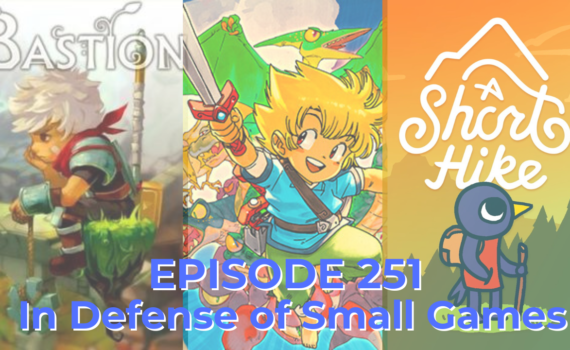

Episode 249: Good Things to Come: Looking Forward to Games in 2024 Click to download, or find us on iTunes, Spreaker, Stitcher, TuneIn, iHeartRadio, Spotify, and just about anywhere podcasts are found). This week we talk about the games that we are most looking forward to in 2024…maybe. What We’re PlayingShip of FoolsDisney SpeedstormBoard […]
Episode 248: Napping Unapologetically and Our Favorite Games of 2023 Click to download, or find us on iTunes, Spreaker, Stitcher, TuneIn, iHeartRadio, Spotify, and just about anywhere podcasts are found). This week we are talking about our favorite games of 2023 as we look forward to 2024. What We’re PlayingDead by DaylightBaldur’s Gate 3 […]
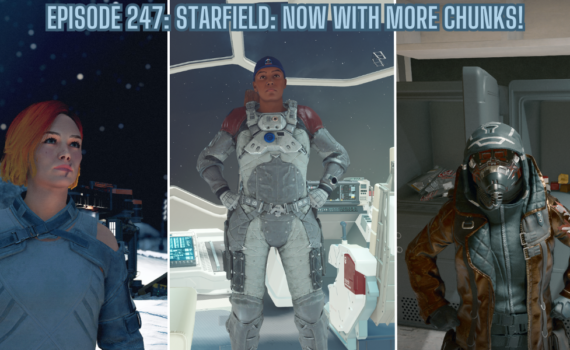
Episode 247: Starfield: Now With More Cubes! Click to download, or find us on iTunes, Spreaker, Stitcher, TuneIn, iHeartRadio, Spotify, and just about anywhere podcasts are found). This week we are talking about living our best (or worst) lives among the stars in Starfield. What We’re PlayingStarfieldInscryptionBaldur’s Gate 3 Moving Out 2, Persona 5 […]
Episode 244: It’s All About Art: A Conversation with Christian Vasquez and Leah Augustine Click to download, or find us on iTunes, Spreaker, Stitcher, TuneIn, iHeartRadio, Spotify, and just about anywhere podcasts are found). This week Sam and Jordyn and joined by material artist Christian Vasquez and environment artist Leah Augustine to talk about […]

Episode 243:Hosting the Host: A Conversation with Sam Click to download, or find us on iTunes, Spreaker, Stitcher, TuneIn, iHeartRadio, Spotify, and just about anywhere podcasts are found). This week Jordyn and Victoria get the opportunity to interview her about games and her history working in and around games. What We’re Playing PotionomicsDredgeStardew ValleyDinkumGolf […]

Episode 237: It’s Beginning to Look Like Giftmas! Click to download, or find us on iTunes, Spreaker, Stitcher, TuneIn, iHeartRadio, Spotify, and just about anywhere podcasts are found). This week we are talking about things that you might pick up for folks on your Winter Holidays gift list (or anytime really). What We’re Playing:Dying […]
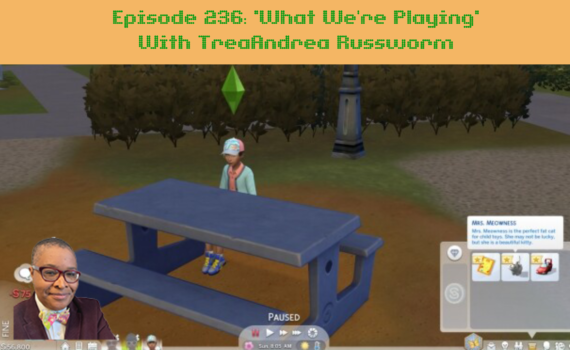
This week we are talking about what we are playing with Dr. TreaAndrea Russworm (USC Cinematic Arts) about what we've been playing lately.
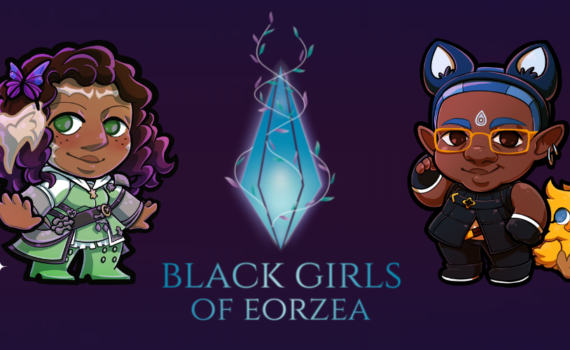
Episode 233: Black Girls of Eorzea: A Conversation with Stephanie Jones Click to download, or find us on iTunes, Spreaker, Stitcher, TuneIn, iHeartRadio, Spotify, and just about anywhere podcasts are found). This week we are chatting with Stephanie Jones (incoming Assistant Professor at Oklahoma State University) about Final Fantasy XIV, community building, and the […]
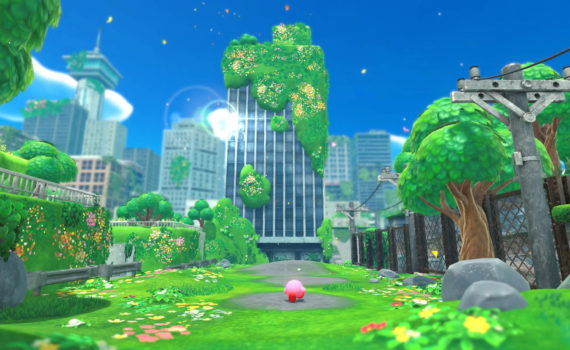
Episode 232: Kirby, but Make It Dark and Gritty?: A Conversation About Kirby and the Forgotten Land Click to download, or find us on iTunes, Spreaker, Stitcher, TuneIn, iHeartRadio, Spotify, and just about anywhere podcasts are found). This week we are talking about Kirby and the Forgotten Land (Nintendo Switch). We’ve been so excited […]
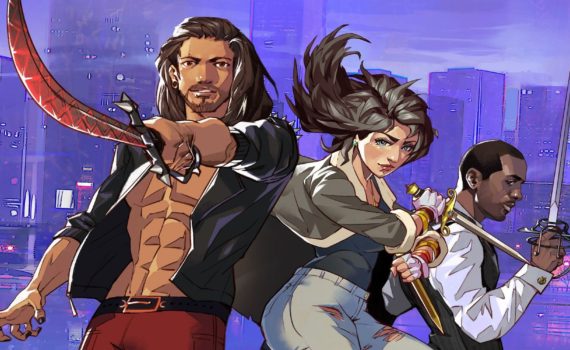
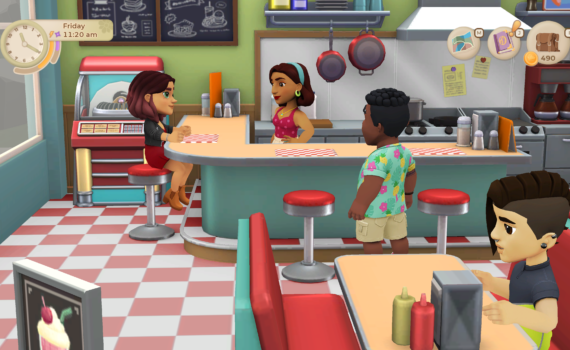
This week we talk with Amanda Schofield, Co-Founder, Managing Director, and Creative Director at Studio Drydock.
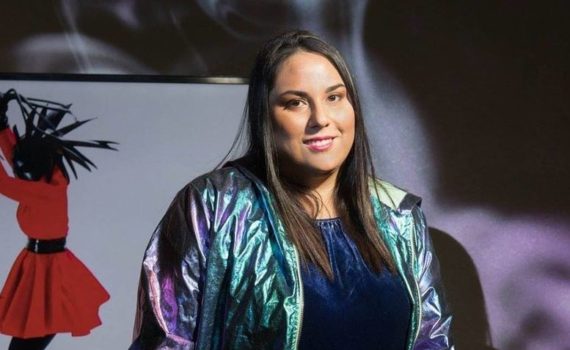
This week we talk with Miranda Due, Associate Producer at Treyarch, about DEI, museums, and Nancy Drew.
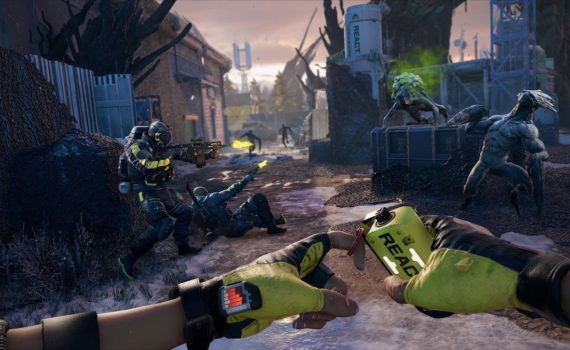
Episode 226: It’s All About the Cozy Post-Apocalyptic Games Click to download, or find us on iTunes, Spreaker, Stitcher, Google Play, TuneIn, iHeartRadio, Spotify, and just about anywhere podcasts are found). This week we are talking about the cozy nature of post-apocalyptic games. What We’re Playing:Pokemon Legends: ArceusRainbow Six: ExtractionState of Decay 2Hollow KnightSudokuGin RummyCartoDeep […]

Episode 224: 20 Years of Xbox…and Shooters(?) Click to download, or find us on iTunes, Spreaker, Stitcher, Google Play, TuneIn, iHeartRadio, Spotify, and just about anywhere podcasts are found). This week we are talking about the 20th anniversary celebration of Xbox and our take on some of the latest shooters. What We’re Playing:Mass Effect Legendary […]
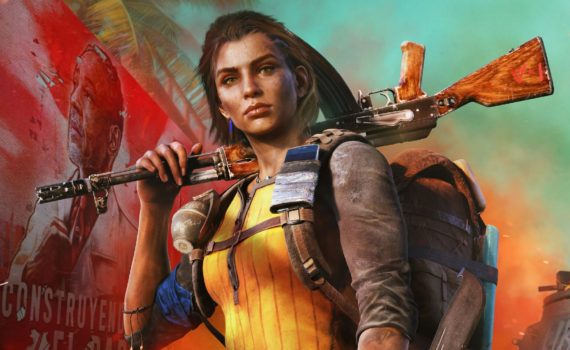

Episode 222: Directly Nintendo: Let’s Talk the Nintendo Direct Click to download, or find us on iTunes, Spreaker, Stitcher, Google Play, TuneIn, iHeartRadio, Spotify, and just about anywhere podcasts are found). This week we talking about the games that we saw at Gamescom. What we’re excited about, what we’re waiting to hear more about, and […]

Episode 220: Can I Play That?: A Conversation on Games and Accessibility with Courtney Craven Click to download, or find us on iTunes, Spreaker, Stitcher, Google Play, TuneIn, iHeartRadio, Spotify, and just about anywhere podcasts are found). This week we sit down with Courtney Craven (@cyclopediabrain), the co-founder of Can I Play That? (caniplaythat.com) to […]

This week we are kicking back and having a chill discussion about the games that we've just been playing for ourselves.
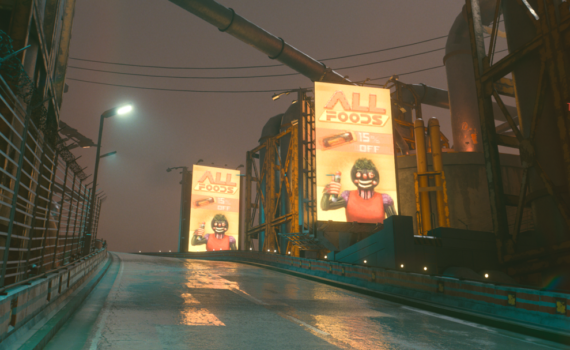


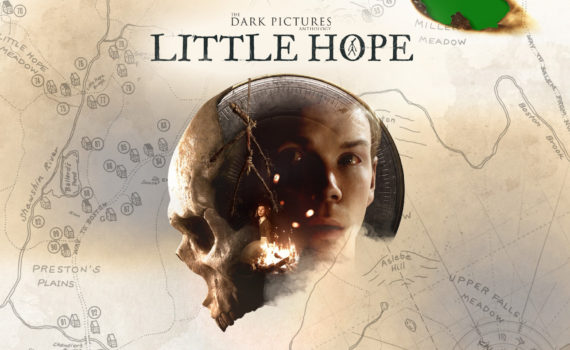


This week are the next gen console release dates are looming we talk about what we're excited for, what frustrates us, and more!
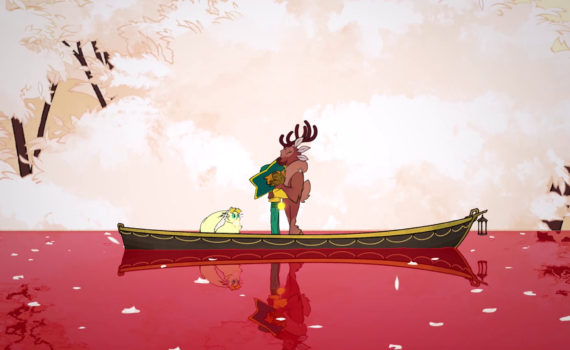

This week we have an impromptu conversation about sexual harassment, Black Lives Matter, and shake ups in the game industry.
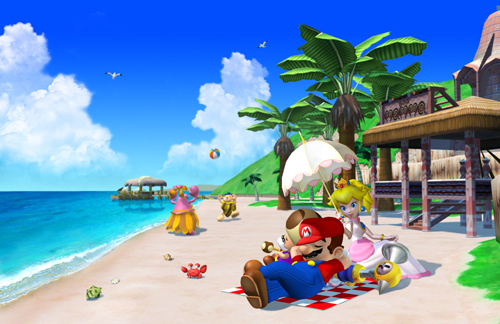
This week we Jordyn and Sam talk about their short lists of the games slated for summer release that they are most looking for.
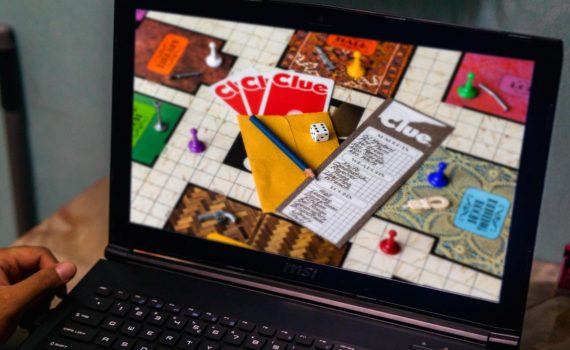
Episode 206: Play with Me!: Social Gaming and Bonding in the Time of Quarantine (Click to download, or find us on iTunes, Spreaker, Stitcher, Google Play, TuneIn, iHeartRadio, and Spotify). This week we talk about social games in the time of social distancing. Want to know what you can play with your friends and family? This […]
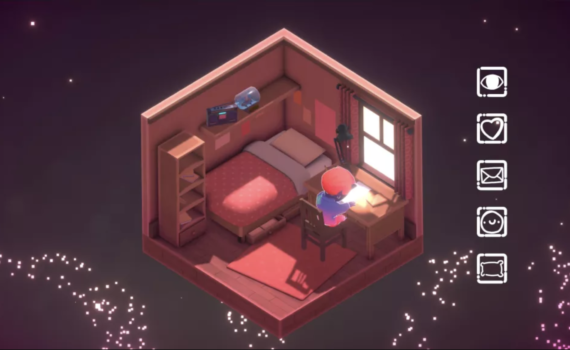

Last week Undead Labs was kind enough to invite us out for a first look at their upcoming remaster and expansion of the game entitled “Juggernaut Edition”. Some things have to be seen to be believed new engine, new audio, new map, new on boarding experience. Check out my first […]


After numerous fits and starts we’re back! Welcome to the second issue of NYMG Journal (Vol. 1 no. 2). While the pieces in this second issue may be more traditional in their form I find that they are still addressing areas of game studies that have been oft neglected. Jaime […]
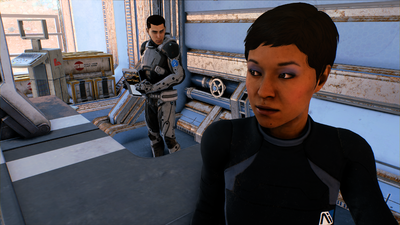
Abstract Representation is a complex issue that some contemporary video games attempt to actively grapple with in-game. This paper focuses on Bioware’s Mass Effect: Andromeda (2017). The non-player character (NPC) of Hainly Abrams is examined as an example of transgender representation in the broader marketplace of major studio gaming. The […]
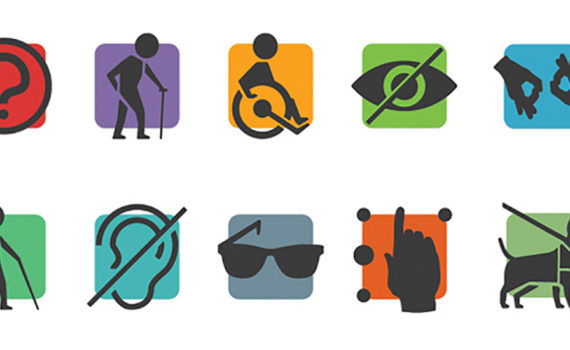
Abstract A business game is a participatory communication activity in which businesses use play to achieve a meaningful workplace purpose, including knowledge/skill development and teambuilding. This article assesses how tabletop business games in professional contexts communicate in ableist ways. These games promote the idea that the ideal skills of an […]



This week Sam and Alisha are joined by Kishonna Gray (@kishonnagray) talk about parenting (and being women) while doing the game studies scholar grind.
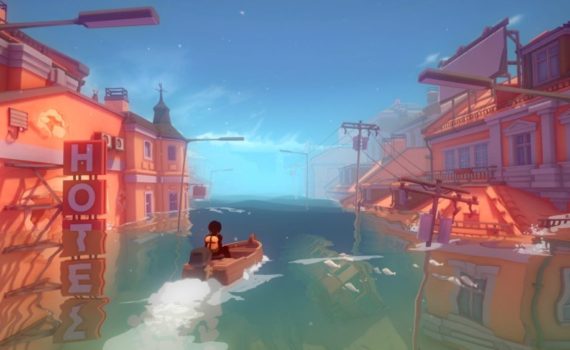
Episode 198: On Mental Health and Monsters: A Conversation About Sea of Solitude (Click to download, or find us on iTunes, Spreaker, Stitcher, Google Play, TuneIn, iHeartRadio, and Spotify). This week Jordyn and Sam are joined by NYMG alum Ashley Barry-Biancuzzo (@ashleybiancuzzo) to talk about Sea of Solitude (Jo-Mei Games 2019) (and games in general) and mental […]
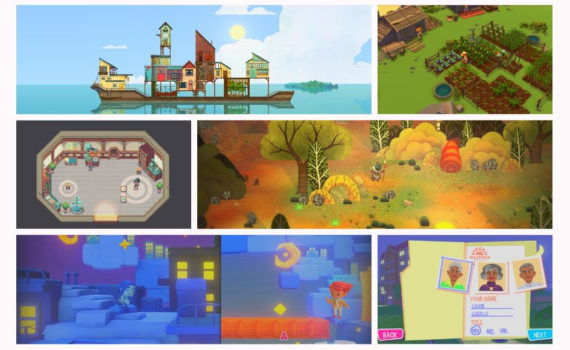
This year I went to PAX West having scheduled a series of appointments to see some Indie titles that I have been anxious to see since they were first announced and I set alarms to remind me of the sign ups for Nintendo’s Warp Pipe Pass that could get me […]

Episode 197: The Bounty of Fall: What We’re Looking Forward To (Click to download, or find us on iTunes, Spreaker, Stitcher, Google Play, TuneIn, iHeartRadio, and Spotify). This week we look at this Fall’s upcoming games and talk about the ones that we are most looking forward to. Some surprising, some not so surprising. What We’re […]
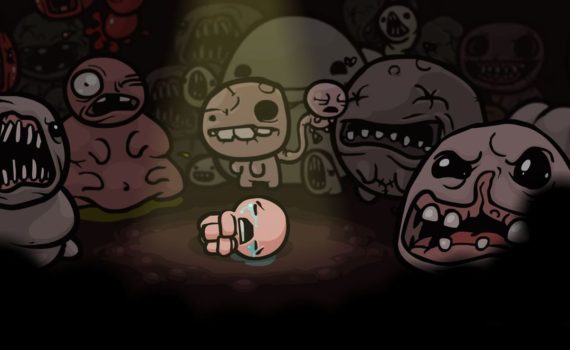
This week we talk about the #30Games90Days project and the struggle of playing video games as a scholar.
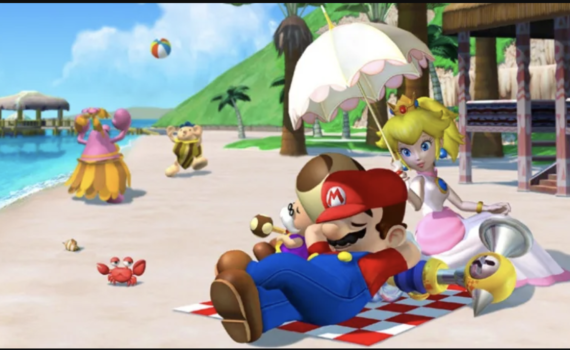
Episode 195: Summertime and the Gaming Is Easy (Click to download, or find us on iTunes, Spreaker, Stitcher, Google Play, TuneIn, iHeartRadio, and Spotify). This week we had a conversation about summertime gaming. We talked about everything from having more time to having less time for gaming in the summer and everything in between. What We’re […]


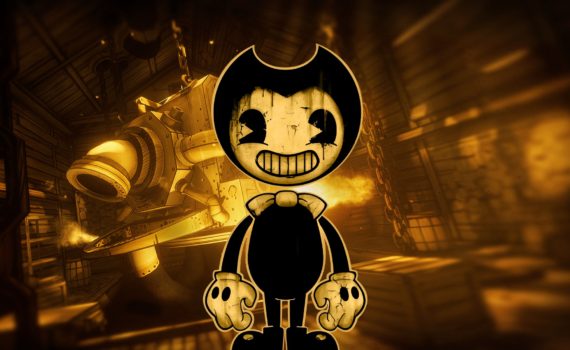
Episode 190: It’s Dangerous to Go Alone: Co-Op Gaming in the Age of Online (Click to download, or find us on iTunes, Spreaker, Stitcher, Google Play, TuneIn, iHeartRadio, and Spotify). This week Sam, Alisha, and Jordyn talk about their experience playing Bendy and the Ink Machine (Joey Drew Studios, 2017). Sam tries to pay penance for giving […]
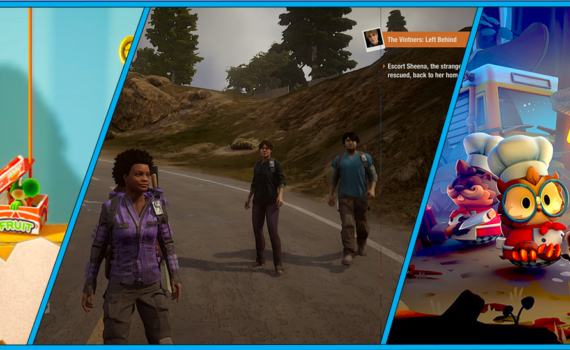
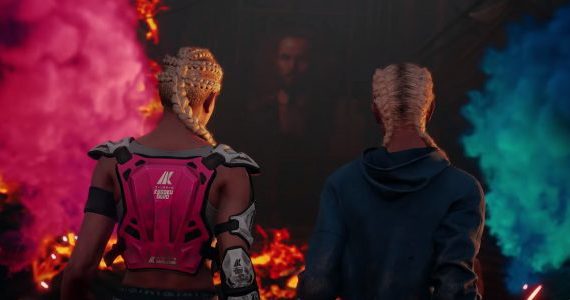
Episode 189: New Dawn, Old Problems: A Conversation About Far Cry: New Dawn (Click to download, or find us on iTunes, Spreaker, Stitcher, Google Play, TuneIn, iHeartRadio, and Spotify). This week we are joined by TreaAndrea Russworm (UMass-Amerhearst) to talk about Far Cry: New Dawn (Ubisoft 2019), race, and representation. What We’re Playing: The Division […]


Episode 187: Whatcha’ Reading (About Video Games)? (Click to download, or find us on iTunes, Spreaker, Stitcher, Google Play, TuneIn, iHeartRadio, and Spotify). This week we talk about some of our favorite books about video games. You knew we were book nerds before you got here! What We’re Playing: Anthem Far Cry New Dawn Insane Robots […]
"...it made me glad that I had these memories and reminded me that we should also seize whatever opportunities we have to make more."

This week look back on our favorite and least favorite games of 2018 and talk about the games we are looking forward to most in 2019.

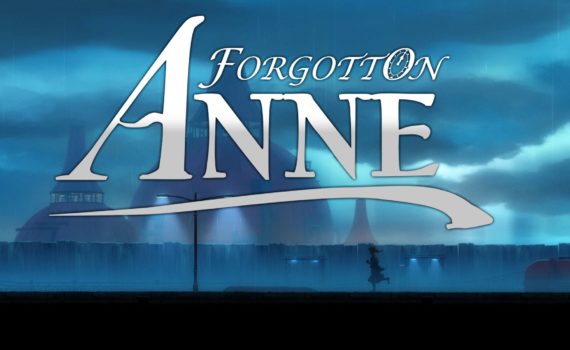
Episode 183: On Forgotton Anne and Throwness: A Conversation with Valdemar Andreasen (Click to download, or find us on iTunes, Spreaker, Stitcher, Google Play, TuneIn, and Spotify). This week we talk with Valdemar Andreasen (@fauxvaldemar), Lead Game Designer on Forgotton Anne (Throughline Games). We have a conversation talking about design, connection, and the concept of thrownness […]
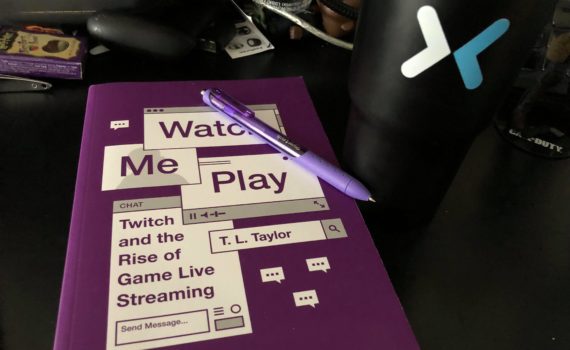
This week we are joined by the fabulous T.L. Taylor as we talk about E-Sports, live streaming, and her new book Watch Me Play: Twitch and the Rise of Game Live Streaming.
Like many people, when I first started playing Forgotten Anne it felt like I was playing inside of a Studio Ghibli film. The game is a cinematic adventure platformer that contains beautifully illustrated graphics, amazing and adaptive choregraphed music and seamless animations. At many times it looks and feels like […]

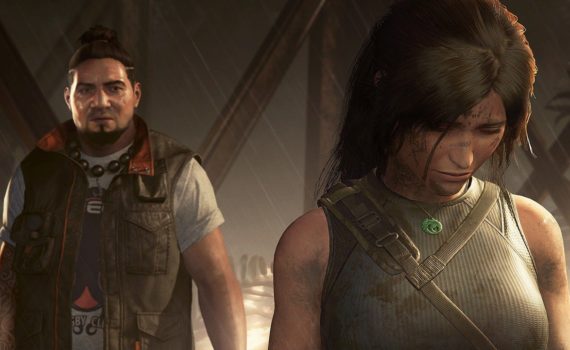
Episode 180: Magic Colonizer Fingers: Let’s Chat About Lara Croft (Click to download, or find us on iTunes, BlogTalk Radio, Stitcher, Google Play, or TuneIn). This week we talk with Partnered Mixer content creator, blogger, podcaster, and freelance Community Manager and Consultant, Alicia Alexandra (@eightbitblonde) about Shadow of the Tomb Raider (2018). What We’re Playing: Maplestory […]
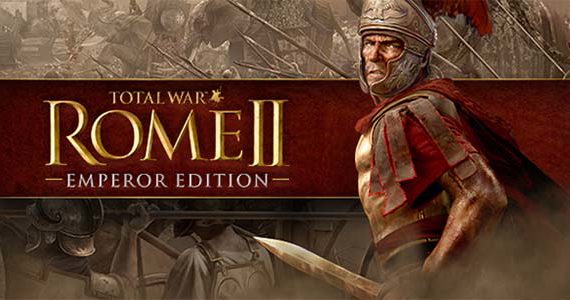
Content warning: Sexism in historical based games are discussed. Many articles that are linked contain hostile comments. Some of these comments are mentioned or paraphrased. If you visit Total War: Rome II’s Steam page you’ll notice something interesting: Over the past week the reviews for this game have spontaneously […]
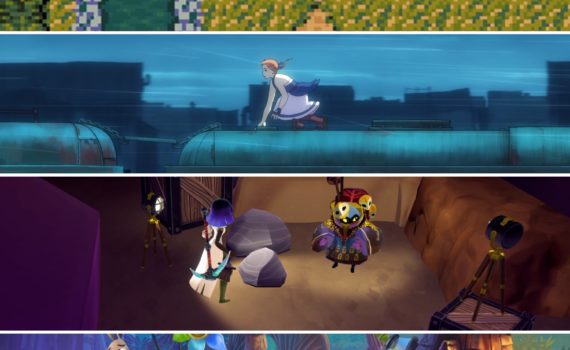
This week Samantha, Alisha, and Jordyn sit down and talk about the indie games they've been playing lately.
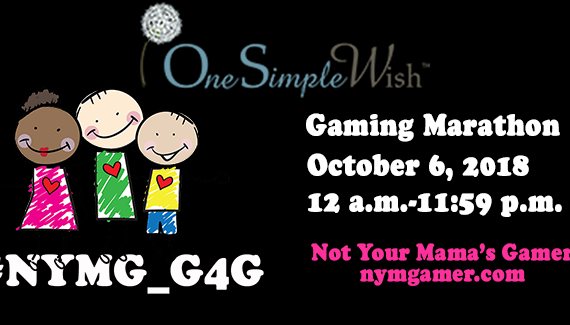

This week Alisha and Samantha sit down and talk about PAX West, salty gamers, and whatever else comes to mind.
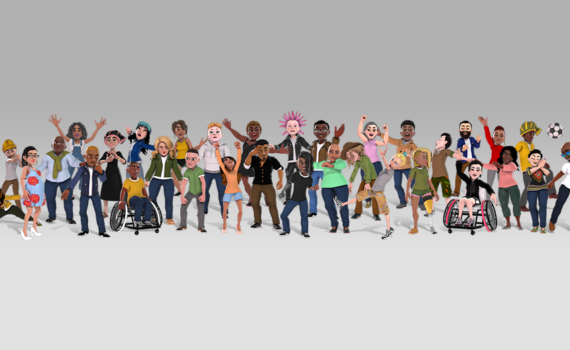
This week we are joined by Melissa Boone and Jerome Hagan, Team XBox User Researchers who focus on Minecraft, online safety, and Gaming is For Everyone.
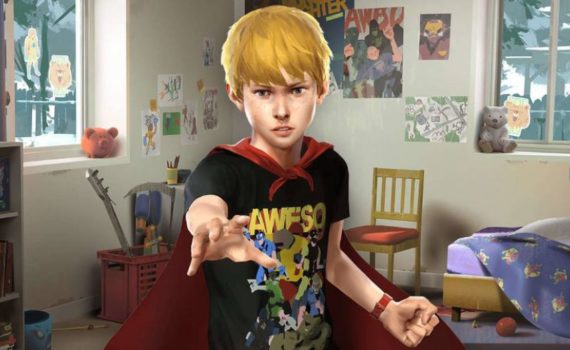
This game packs an emotional punch and easily carries on the legacy of Life is Strange’s heavy themes and tenuous emotional choices.
We are so pleased the bring you the inaugural issue of the NYMG Journal (Vol. 1, no. 1), the first Feminist Game Studies middle-state journal. Here you will experience games scholarship in multiple media and from a variety of communities.
Or… What would a game studies talk look like if I didn’t cite any hetero white cismen OR work from after 2006. Because when I say intersectional feminist game studies I also think part of the path forward is developing better inter-generational critical game studies.

Vampires do not appear to hold the same appeal in media as they once did, but why? Portraying and playing with our deepest fears, not least of which is death—or worse, becoming the monster ourselves—some of these creatures spent the ‘90s, the aughts, and the first half of the 20-teens struggling with what they are, striving to reconcile their monstrosity with the human they long to still be, and, typically, falling in love with human women.
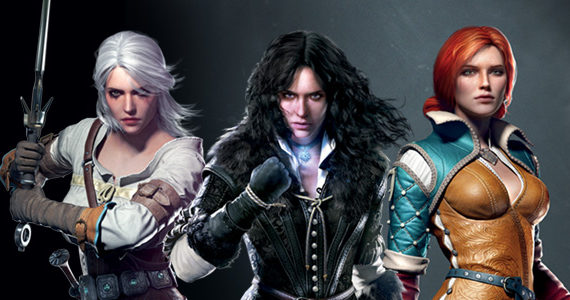
When The Witcher 3: The Wild Hunt came out in 2015, critics and fans alike hailed the game as a video game standard-setter because of its stellar graphics, entertaining gameplay design, deft voice acting, and engrossing narrative. Jonathan Leack of Game Revolution called the game “one of the largest worlds […]